
OnHOME Alliance event at the European Parliament underscores importance of digital health solutions to improve access to healthcare across Europe
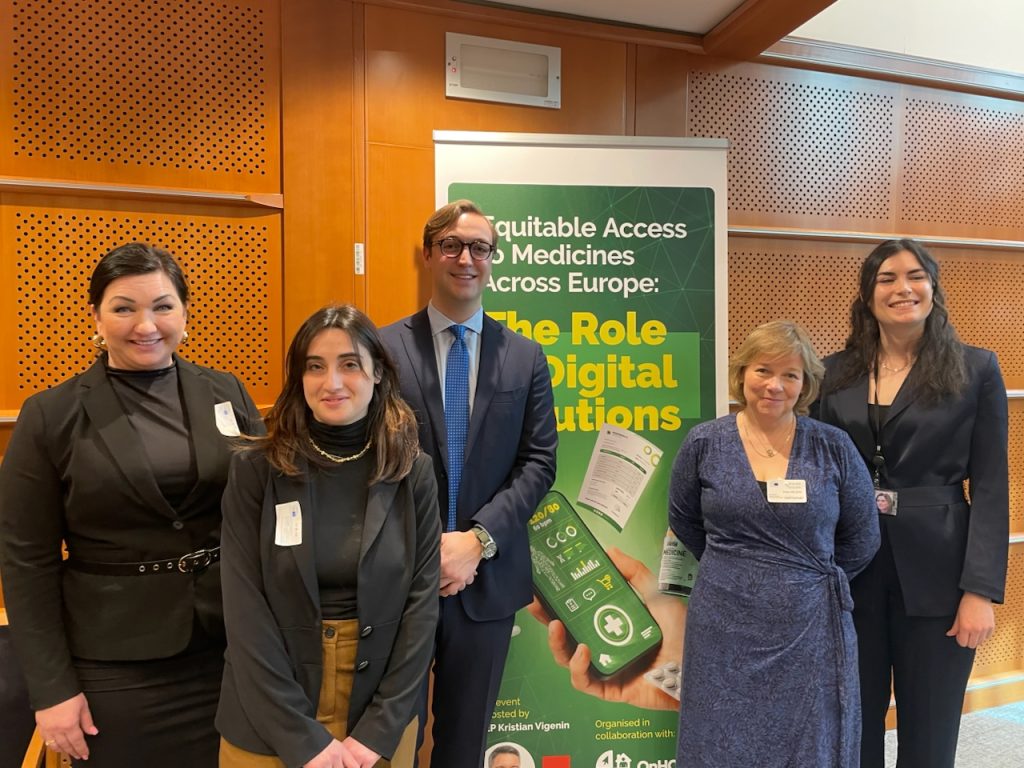
European Parliament, Brussels, 20 March 2025 – Hosted by MEP Kristian Vigenin (S&D, Bulgaria) and organised in collaboration with the Online Order and Home Delivery of Medicines Alliance (OnHOME Alliance), the event “Equitable Access to Medicines Across Europe: The Role of Digital Solutions” convened a diverse group of stakeholders to discuss the transformative potential of digital health technologies in ensuring equitable access to medicines and mitigating medicine shortages.
While Europe has made significant strides in healthcare, disparities in the availability and affordability of medicines remain, particularly for vulnerable populations and those in remote or rural areas. These inequities highlight the urgent need for innovative solutions to close the access gap. The speakers explored how digital tools, for example electronic patient records, e-prescriptions or physical pharmacies offering complementary online services, can significantly improve equitable access for patients, particularly chronically ill patients or those living in rural and underserved areas, as well as visibility on available stock both in-country and across borders.
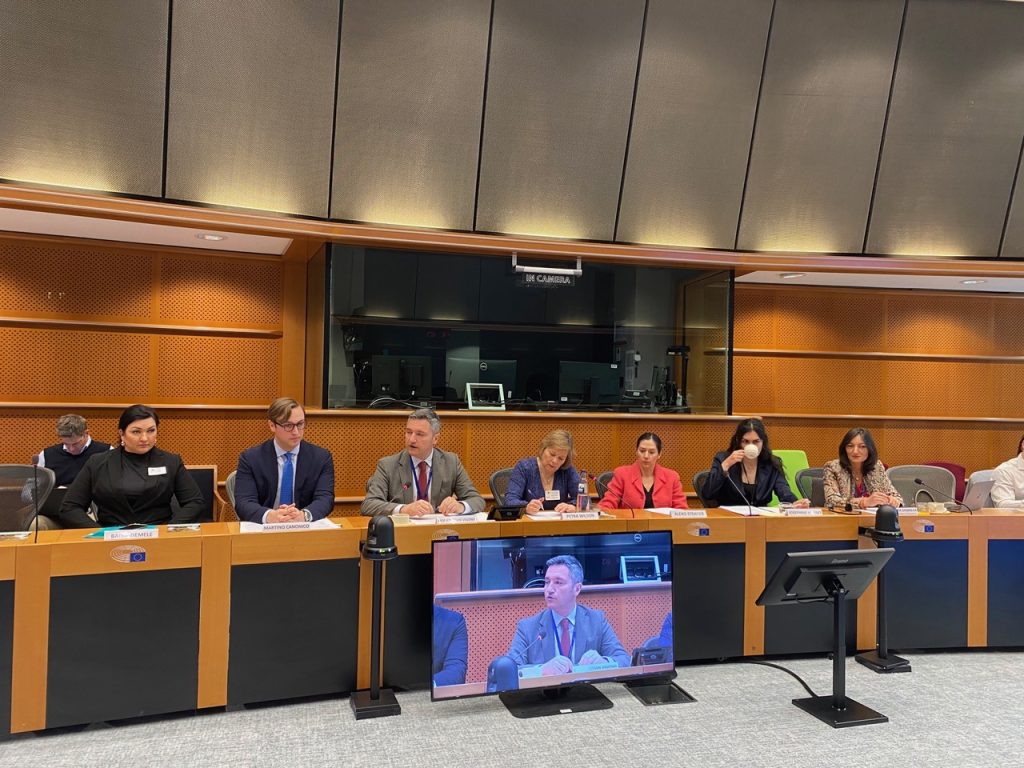
MEP Kristian Vigenin (S&D, Bulgaria) highlighted Bulgaria’s progress in healthcare digitalisation, stating: “Over the past three years, Bulgaria has made great progress in healthcare digitalisation. In 2020, we introduced the National Health Information System (NHIS). Thanks to the NHIS, over 345 million health records have been registered, and more than 53 million e-referrals have been issued, with 80,000 referrals processed daily.”
However, he emphasised the ongoing challenges: “Medicine shortages, gaps in digital infrastructure, and unequal access to healthcare are challenges we all face. We need to work together across borders to ensure systems can share data and provide seamless care for patients, investing in digital health infrastructure, and supporting new EU laws such as the European Health Data Space and the Critical Medicines Act to improve access to medicines for everyone.”
Zlatimira Dobreva, Counsellor (Health), Permanent Representation of the Republic of Bulgaria to the EU, presented Bulgaria’s national digital healthcare system that proposes “a fully-fledged, future-proof and EU-interoperable solution, complementing the efforts of government and medical professionals for a better healthcare system”.
Healthcare providers, stakeholders, and patient representatives call for digital solutions
Martino Canonico, Head of Brussels Office, European Association of E-Pharmacies (EAEP), underlined the critical role of digital tools in ensuring patients’ access to their prescription medicines and healthcare services: “Online pharmacies and e-prescriptions are vital tools in ensuring timely access to medicines across the EU. Expanding digital access to prescription medicines will empower patients, reduce disparities, and enhance healthcare efficiency, as it is already the case in eight EU Member States.”
Baiba Ziemele, Chairwoman, Latvian Network of Patient Organizations (LPOT), emphasised the importance of policymakers listening to patients’ experiences. She highlighted that “patients are not here to criticise but to contribute to creating the best possible healthcare environment”. To achieve this, she stressed the need to implement the digital solutions patients call for, such as e-prescriptions and access to e-pharmacies, to improve medicine accessibility.
Alexis Strader, Director of Policy and Research, European Health Management Association (EHMA), highlighted the significant opportunities presented by new legislation, including the European Health Data Space (EHDS). However, she emphasised that “effective health management requires national authorities to update and submit data on access and shortages. Despite this necessity, challenges such as funding constraints, costly infrastructure, and resistance to change remain key obstacles”.
Josephine Mosset, Policy Officer, Cancer Patients Europe (CPE), underscored that “Where you live, should not determine if you live – and this principle must guide policy, including digital health policy. To address disparities in medicine availability, patients should have access to integrated digital solutions. These solutions not only ensure continuous access to medicines but also enhance convenience, support immunodeficient patients, and facilitate cross-border access to mitigate medical shortages”.
Conclusion: A call for EU-wide action
Panellists called on policymakers to prioritise digitalisation in the ongoing revision of the General Pharmaceutical Legislation as well as the recently published Critical Medicines Act, ensuring that all patients – regardless of location – can benefit from digitalisation in healthcare, while ensuring that the highest safety standards and safeguards are in place.
About the OnHOME Alliance:
The OnHOME Alliance is a group of patient organisations and other active stakeholders in the healthcare community determined to advocate for all Member States to allow their patients the choice to obtain their prescription medicines online and get them delivered at home by registered pharmacies. Through advocacy efforts, the OnHOME Alliance aims to build momentum for a collaborative, multi-stakeholder approach to modernising healthcare access across Europe.
For more information about the OnHOME Alliance and its mission, please visit our website: onhomealliance.pharmacy.